Sour vs Bitter Espresso: Troubleshooting Guide
Learn to identify and fix sour or bitter espresso shots. Diagnose extraction issues with visual cues, taste tests, and Breville-specific solutions.
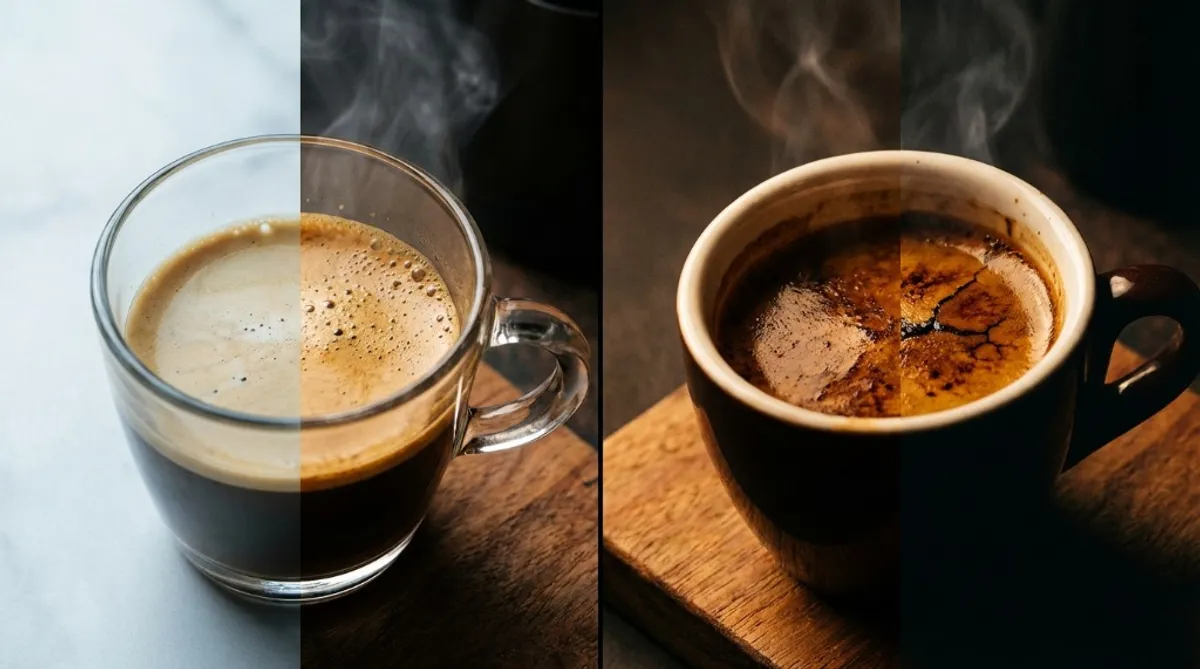
Pulled shot after shot last week that tasted completely wrong. Some sharp and sour, making me wince. Others harsh and bitter with this lingering dry aftertaste. Took me embarrassingly long to figure out what was happening—and then five minutes to fix once I understood the actual problem.
If your espresso tastes off, it’s almost always an extraction issue. Either you’re not pulling enough out of the coffee (sour), or you’re pulling too much (bitter). This guide teaches you to figure out which problem you have, understand why it’s happening, and apply the right fix—specifically for Breville machines like the Barista Express.
Understanding Extraction: The 30-Second Primer
Before diagnosing problems, quick overview of what happens during extraction.
When hot water passes through your coffee puck, it dissolves compounds in a specific order:
- First (0-15 seconds): Acids and fruity notes—these come out fast
- Middle (15-25 seconds): Sugars and body—the sweet spot you’re chasing
- Late (25+ seconds): Bitter compounds and astringency
The goal is hitting that middle zone. Under-extraction means you stopped too early (sour). Over-extraction means you went too far (bitter).
| Extraction Type | What Went Wrong | Result |
|---|---|---|
| Under-extracted | Water passed too quickly | Sour, thin, acidic |
| Properly extracted | Water flowed at right pace | Balanced, sweet, full |
| Over-extracted | Water took too long | Bitter, harsh, dry |
SCA (Specialty Coffee Association) benchmarks:
- Shot time: 25-30 seconds for a double
- Ratio: 1:2 (18g in → 36g out)
- Pressure: 9 bars during extraction
Now let’s figure out what’s going wrong with your shots.
Identifying Sour Espresso (Under-Extraction)
What Sour Espresso Tastes Like
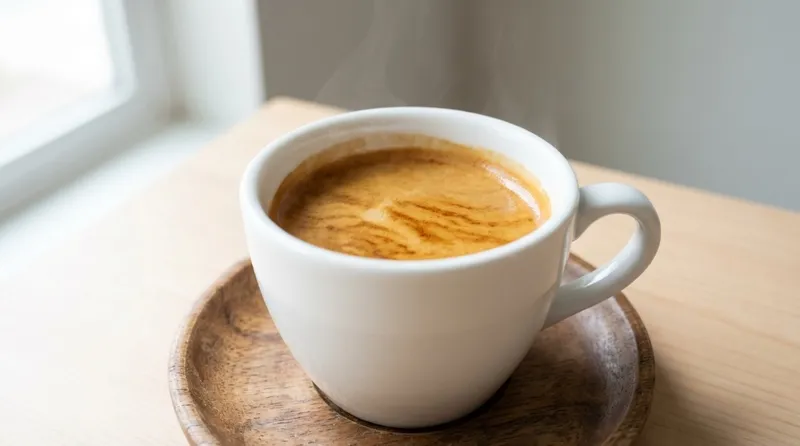
Sour espresso has this distinctive sharp, acidic bite. Like biting into an unripe lemon or green apple. Hits the sides of your tongue and makes you pucker. No sweetness whatsoever, thin body. The aftertaste fades almost immediately—nothing satisfying lingers.
Key taste indicators:
- Sharp, citrus-like acidity (unpleasant, not like good fruity notes)
- Thin, watery mouthfeel
- Complete lack of sweetness
- Quick, empty finish
Visual Cues of Under-Extraction
You can often spot under-extraction before even tasting:
During extraction:
- Shot gushes fast—like water, not espresso
- Light, blonde stream from the start
- Finishes well under 20 seconds
Looking at the shot:
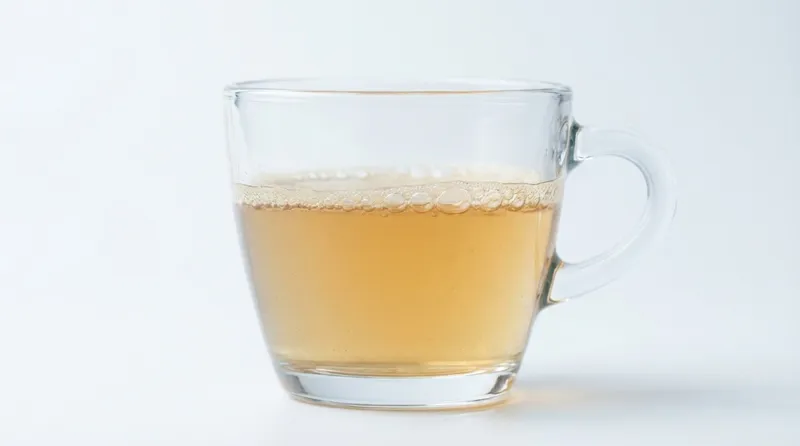
- Pale, thin crema that disappears in seconds
- Bubbly, unstable foam
- Almost tea-like appearance
The puck after extraction:
- Very wet, soupy consistency
- May show visible holes or channels
What Causes Sour Espresso?
| Cause | Why It Happens | How to Check |
|---|---|---|
| Grind too coarse | Water flies through too fast | Shot under 20 seconds |
| Dose too low | Not enough coffee to resist water | Weigh your dose (aim 18g for double) |
| Tamping too light | Weak resistance | Check for firm, even pressure |
| Low temperature | Doesn’t extract enough compounds | Verify machine fully heated |
| Old/stale beans | Lost their solubles | Check roast date (use within 4 weeks) |
How to Fix Sour Espresso on Breville
Step 1: Check your timing Pull a shot and time it. Under 20 seconds? Found the problem.
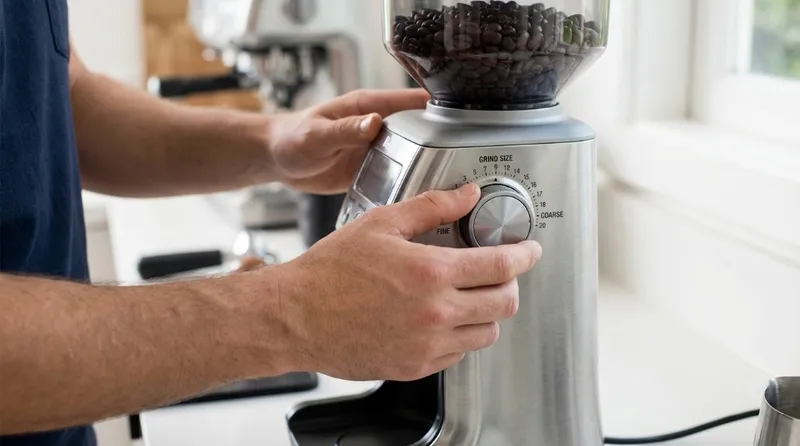
Step 2: Grind finer On Breville grinders:
- Move dial 1-2 steps finer (lower number)
- Only adjust while grinder runs
- Purge 2-3 grams after adjusting
Step 3: Increase dose If still sour:
- 18g minimum for double basket
- Try up to 19-20g if basket allows
Step 4: Ensure proper warm-up
- Wait for all lights to stop flashing
- Flush group head for 2-3 seconds before pulling
- If you just steamed milk, wait a bit for brew temp to stabilize
Step 5: Check bean freshness Light roasts especially suffer when stale. Sweet spot is 7-21 days from roast date.
Identifying Bitter Espresso (Over-Extraction)
What Bitter Espresso Tastes Like
Bitter espresso hits the back of your tongue with harsh, almost chemical intensity. Like burnt toast or dark chocolate that’s way too intense. Leaves this dry, astringent feeling that lingers unpleasantly.
Key taste indicators:
- Harsh, burnt flavor
- Dry, astringent mouthfeel
- Ashy or smoky notes
- Lingering unpleasant aftertaste
Visual Cues of Over-Extraction
During extraction:
- Shot drips painfully slowly
- Very dark, almost black stream
- Takes 40+ seconds total
- May start blonde then turn very dark suddenly
Looking at the shot:
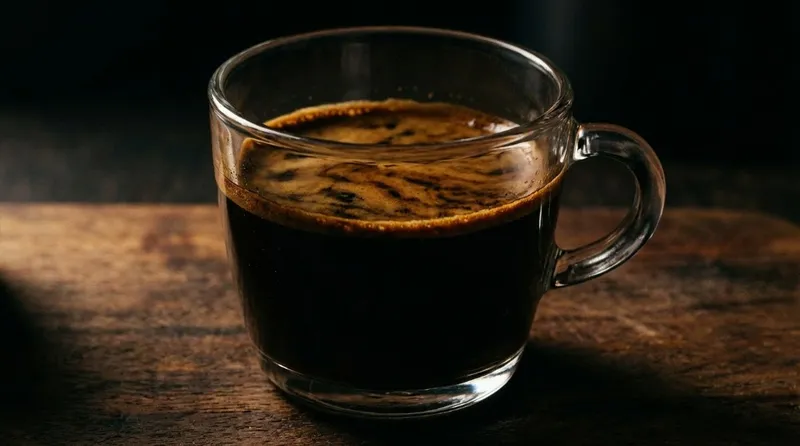
- Very dark crema with black spots
- Tiger striping can appear
- Dense but dull appearance
The puck after extraction:
- Bone dry, hard puck
- May be cracked
- Looks “burnt” around edges
What Causes Bitter Espresso?
| Cause | Why It Happens | How to Check |
|---|---|---|
| Grind too fine | Water can barely pass through | Shot over 35 seconds |
| Dose too high | Too much resistance | Weigh dose (reduce to 17-18g) |
| Tamping too hard | Creates excessive resistance | Consistent, not forceful |
| High temperature | Over-extracts compounds | Let machine cool between steam/brew |
| Very dark roast | Already bitter by nature | Consider lighter roast |
| Dirty machine | Built-up oils go rancid | When did you last clean? |
How to Fix Bitter Espresso on Breville
Step 1: Check your timing 35+ seconds? You’ve confirmed over-extraction.
Step 2: Grind coarser On Breville grinders:
- Move dial 1-2 steps coarser (higher number)
- Adjust while running
- Purge old grounds
Step 3: Reduce dose Try 17-18g instead of 19-20g. Less coffee = less resistance = faster flow.
Step 4: Check temperature If you just steamed milk, wait 30+ seconds before brewing. Thermocoil can run hot.
Step 5: Clean your machine Bitter espresso often signals dirty equipment:
- Run cleaning cycle (tablets + rubber disc)
- Clean shower screen
- Backflush with water daily
The Tricky Case: Both Sour AND Bitter
Sometimes a shot tastes sour at first sip but leaves a bitter finish. This confuses a lot of people. What’s happening?
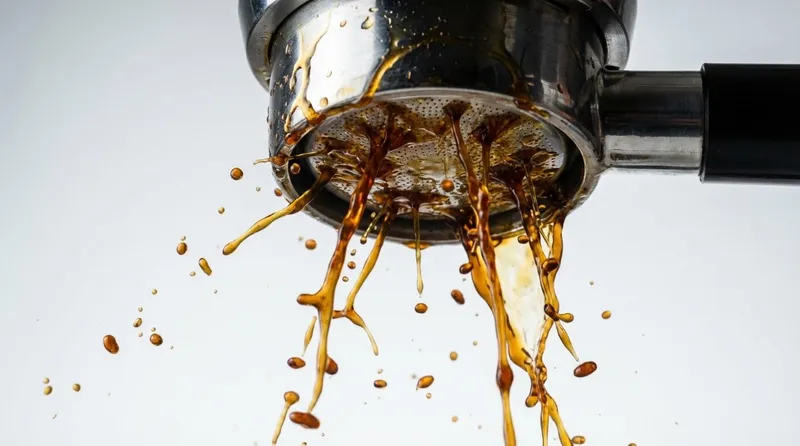
Usually this is channeling—water finding easy paths through the puck instead of extracting evenly.
How Channeling Works
Picture your puck with a weak spot—air pocket, clump, uneven distribution. Water rushes through that spot, over-extracting those grounds (bitter), while barely touching the rest of the puck (leaving those sour/under-extracted).
How to Spot Channeling
- Naked portafilter: Spurts or side sprays instead of centered flow
- Standard portafilter: Uneven streams from spouts
- Puck after: Visible holes or channels on surface
How to Fix Channeling
-
Distribute grounds evenly
- Use a WDT tool (thin needles to stir grounds)
- Gentle tap to settle
- Consider a distribution tool
-
Level your tamp
- Press straight down
- Keep tamper level
- Light polish—no aggressive twisting
-
Check for clumps
- Breville grinders can clump with oily beans
- Break up clumps before tamping
-
Use fresh beans
- Old beans are less porous, channel more easily
Diagnostic Flowchart
Quick decision tree when troubleshooting:
TASTE YOUR SHOT
     │
     ├── Sour/Acidic?
     │         │
     │         ├── Shot time under 25 sec? → GRIND FINER
     │         ├── Cold shot? → WAIT FOR MACHINE TO HEAT
     │         └── Stale beans? → USE FRESHER BEANS
     │
     ├── Bitter/Harsh?
     │         │
     │         ├── Shot time over 35 sec? → GRIND COARSER
     │         ├── Just steamed milk? → WAIT 30 SEC BEFORE BREWING
     │         └── Dark crema with spots? → CLEAN MACHINE
     │
     └── Both Sour AND Bitter?
               │
               └── CHANNELING → IMPROVE DISTRIBUTION
Breville-Specific Tips
Using the Pressure Gauge
The Barista Express pressure gauge is super useful:
| Gauge Position | What It Means | Action |
|---|---|---|
| Left of zone | Under-pressure (sour likely) | Grind finer, increase dose |
| In the zone | Optimal extraction | Maintain settings |
| Right of zone | Over-pressure (bitter likely) | Grind coarser, decrease dose |
Pre-Infusion on Breville
Breville machines have brief pre-infusion built in. If your Dual Boiler allows adjustment:
- Longer pre-infusion: Helps with lighter roasts, reduces channeling
- Shorter pre-infusion: Better for dark roasts
The Temperature Swing Issue
Single boiler machines like Barista Express can have temperature swings. What I do:
- Flush group head 2-3 seconds before first shot of the day
- Wait 30+ seconds after steaming before pulling a shot
- Don’t pull back-to-back shots without brief pause
Prevention Is Better Than Cure
Rather than constantly troubleshooting, build these habits:
Before Every Shot
- Confirm machine fully heated
- Weigh your dose (18g target)
- Distribute and tamp evenly
After Every Session
- Wipe steam wand immediately
- Flush group head with water
- Empty drip tray and clean portafilter
Weekly
- Run cleaning cycle with tablets
- Check basket for buildup
- Clean shower screen if clogged
Monthly
- Deep clean grinder (remove burrs if comfortable)
- Descale if in hard water area
- Replace water filter when due
FAQ
Why does my first shot always taste sour?
Machine hasn’t fully stabilized yet. Always flush the group head for 2-3 seconds before your first shot of the day. Brings heat to the group head and purges cooler water.
My espresso is sour even at the finest grind setting. What now?
Check your dose—try increasing to 19-20g. If still sour at max dose and finest grind, beans might be too fresh (excessive CO2 causing channeling) or grinder may need calibration.
Why does dark roast always taste bitter for me?
Dark roasts are naturally more bitter and have less soluble material. Try grinding coarser, using slightly lower temperature if adjustable, and shorter extraction (18-22 seconds can work for dark roast).
How do I know if it’s the machine or the beans?
Try a different bag of fresh beans from a reputable roaster. If problem persists across multiple beans, it’s technique or machine. If it disappears with new beans, old beans were the issue.
Is some bitterness normal in espresso?
Yes—balanced espresso has some bitterness as part of the flavor profile. The goal isn’t zero bitterness, but bitterness balanced by sweetness and acidity. If bitterness dominates with no sweetness, you’re over-extracting.
Conclusion
Diagnosing sour vs bitter espresso comes down to:
- Taste: Sharp/acidic = sour (under-extraction). Harsh/dry = bitter (over-extraction).
- Time: Under 20 seconds = probably sour. Over 35 seconds = probably bitter.
- Action: Grind finer to slow down, coarser to speed up.
Every “bad” shot teaches you something about your setup. Keep notes, pay attention to timing, and adjust one variable at a time. Within a few days of deliberate practice, you’ll diagnose problems instantly.
Now go pull some shots—and when they’re off, you know exactly what to fix.

Mikael
Home espresso enthusiast and Breville specialist. Helping you master the art of coffee brewing from your own kitchen.
Learn more about me →